
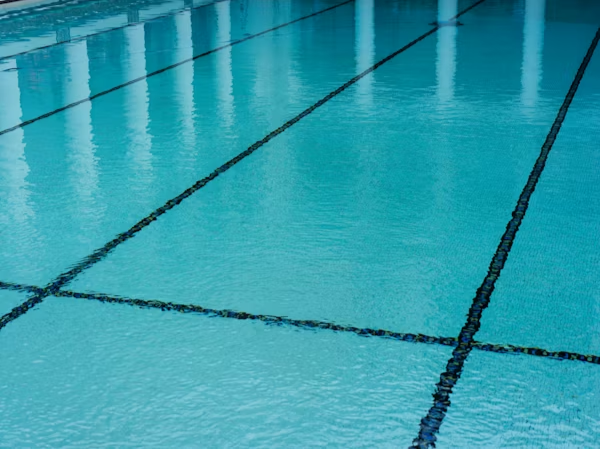
Swimming pool tiles do more than improve the appearance of a pool. They contribute to safety, durability, maintenance, and the overall atmosphere of an outdoor or indoor swimming area.
Because pool environments involve constant exposure to water, chemicals, sunlight, and temperature changes, selecting the right tiles requires careful consideration. The best swimming pool tiles should combine attractive design with materials that can withstand demanding conditions.
Choosing the right pool tiles involves understanding material quality, safety features, maintenance needs, and how the tiles complement the surrounding space.
Consider Tile Material and Durability
The material of swimming pool tiles is one of the most important factors to evaluate. Pool areas require tiles that can handle constant moisture and chemical exposure without deteriorating.
Glass tiles are a popular choice because they create a reflective, elegant appearance and are highly resistant to water damage. Ceramic and porcelain tiles are also commonly used because they offer durability, a wide range of designs, and reliable performance in wet environments.
A durable tile material helps reduce repairs and ensures the pool surface remains attractive for many years.
Choose Tiles Designed for Water Environments
Not all tiles are suitable for swimming pools. Pool tiles must be specifically designed for underwater use and should be able to withstand chlorine, cleaning products, and changes in temperature.
Tiles should also have strong resistance to cracking and fading. Outdoor pools are exposed to sunlight, and lower-quality materials may lose color or weaken over time.
Selecting tiles made for pool applications ensures better performance and a longer-lasting finish.
Prioritize Slip Resistance and Safety
Safety is a key consideration when choosing swimming pool tiles. Areas around pools are frequently wet and can become slippery if the wrong surface is selected.
Tiles with textured or slip-resistant finishes can improve grip around pool edges, steps, and walkways. This is especially important in areas where people enter and exit the pool.
A balance between appearance and safety ensures that the pool remains both attractive and practical.
Think About Color and Visual Design
Pool tiles have a major influence on the overall look of the swimming area. Color choices can affect how the water appears and how the pool blends with its surroundings.
Lighter tiles often create a bright and clean appearance, while darker shades can create a deeper, more dramatic effect. Mosaic designs and decorative patterns can add personality and create a unique visual feature.
The right design choice should complement the surrounding landscape, architecture, and personal style.
Consider Maintenance Requirements
Swimming pool tiles should be easy to clean and maintain. Some surfaces may show mineral buildup, water marks, or dirt more easily than others.
Choosing tiles that resist staining and are simple to maintain can reduce cleaning time and help keep the pool looking fresh. Proper installation also plays an important role in preventing issues such as loose tiles or damaged grout.
Match Tiles With Your Budget
Pool tile options vary significantly in price depending on material, design, and quality. It is important to consider both the initial cost and the long-term value.
Cheaper options may require more maintenance or replacement, while higher-quality tiles often provide better durability and appearance over time. A balanced choice considers affordability without sacrificing performance.
Choosing swimming pool tiles requires attention to durability, safety, appearance, and maintenance. The right tiles enhance the beauty of the pool while providing a reliable surface that can handle years of water exposure and everyday use. A carefully selected tile design helps create a pool area that is both functional and visually appealing.