
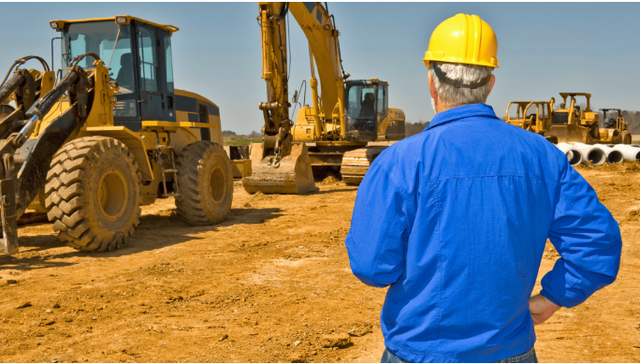
Construction projects of any scale depend on having the right equipment available at the right time. Delays caused by missing or inadequate machinery create cascading schedule problems that drive up labor costs and push completion dates. Understanding which categories of equipment are essential to most construction operations — and why — helps project managers plan more effectively and ensures crews have the tools they need to work efficiently and safely from the first day on site.
Earth-Moving and Construction Excavation Equipment
Virtually every construction project begins with site preparation that requires earth-moving equipment. Excavators, bulldozers, and graders establish grade, remove overburden, and prepare the ground for foundations and underground utilities. The size of equipment selected must match the site conditions, access constraints, and volume of material to be moved. The construction excavation performed with properly sized, well-maintained equipment establishes the accurate grades and stable conditions that everything built above grade depends on. Cutting corners on site preparation creates problems that are far more expensive to correct later in the project.
Using Could Lifts for Elevated Work
Moving materials and prefabricated components to height is a requirement on nearly every vertical construction project. Cranes, boom lifts, and scissor lifts each address different height, reach, and load capacity requirements. The could lifts provide compact, versatile elevation access for tasks that require reaching overhead without the footprint or setup time of larger cranes. Selecting the correct lifting equipment for each task protects workers from improvised solutions that create fall and dropped-load hazards, and improves productivity by reducing the time spent moving materials manually.
Concrete Equipment for Foundations and Flatwork
Concrete is among the most widely used materials in construction, and working with it efficiently requires dedicated equipment. Concrete mixers, vibrators, screeds, and finishing tools each address a specific phase of the concrete placement process. Ready-mix delivery requires pump trucks or crane-and-bucket placement for pours in locations that transit trucks cannot reach directly. Proper compaction with vibrators eliminates air voids that weaken finished concrete. Equipment availability and readiness before a pour begins is critical — delays during concrete placement compromise the quality and structural integrity of the finished element.
Compaction Equipment for Subgrade and Backfill
Structural integrity in pavements, foundations, and retaining structures depends on adequately compacted subgrade and backfill. Plate compactors, jumping jacks, and vibratory rollers each address different soil types and compaction depths. Under-compacted fill settles unevenly after construction is complete, causing cracking, tilting, and structural failures that are expensive to repair. Compaction testing at regular intervals during backfill operations verifies that specified density is achieved before the next layer is placed. Skipping compaction steps to save time creates long-term problems that cost far more to correct than the time saved.
Safety and Monitoring Equipment on Active Sites
Construction sites with multiple crews and overlapping operations require active safety management supported by appropriate equipment. Temporary fencing, barricades, signage, and lighting protect workers and the public from site hazards. Two-way radios and site monitoring systems keep supervisors informed of conditions across large sites in real time. Personal protective equipment inspected and replaced on schedule ensures workers are protected throughout the project.
Conclusion
Essential construction equipment enables projects to proceed efficiently, safely, and on schedule. Matching equipment selection to site conditions and project requirements, maintaining it in working order, and using it correctly on every task ensures the investment in machinery translates directly into project performance.