
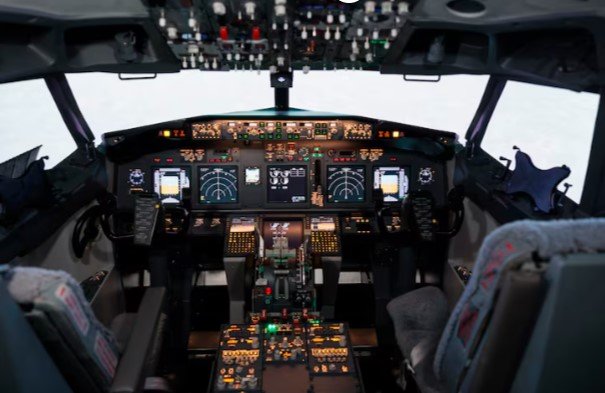
Not all parts of an avionics system need to be replaced with modernization. Wherever possible, it is possible to keep the old equipment if a reliable data-bus interface is added between the old and the new subsystems.
One of the reasons MIL-STD-1553 is practical for system upgrades is because it’s used for deterministic command and data communication in aerospace applications. But integration is not easy with just an interface card.
There are various aspects of architecture, timing, electrical, software, testing, and future maintenance that should be considered prior to the start of implementation.
Start with Modern Avionics Architecture
When installing a new MIL-STD 1553 interface, record the existing communication between the system. Recognize the type of equipment in use: current buses, processors, remote terminals, sensors, displays, mission computers, etc. Identify the subsystem that will be a bus controller, remote terminal, or monitoring device.
This step can uncover some dependencies that may not have been obvious. A component may seem to be independent, but be dependent on the timing of messages, data formats, or status information from another subsystem.
The first step is to establish an interface map, which provides engineers with a better understanding of the space where the new bus is intended to fit and what modifications may need to be made.
Specify the Data and Timing Requirements
The MIL-STD-1553 is a response system in which bus communications are managed by a bus controller and remote terminals respond to bus controller commands. When integrating the bus into an existing avionics environment, message scheduling and the timing of the messages are important considerations.
Identify the messages to be sent, their frequency, the amount of data each message contains, and the expected response time. Just copying a communication schedule does not necessarily mean that it will work on the new architecture.
Make a message database or interface control document that specifies addresses, command format, data word, status handling, and timing. At this point, having a clear set of definitions can avoid costly software changes down the road.
Ensure Electrical and Physical Compatibility
Check on physical bus architecture, cabling, terminations, shielding, connectors, and signal characteristics before connecting new hardware.
MIL-STD-1553 also provides for dual-redundant bus configurations, and decide on the path for the primary and redundant bus in the current system. The interface electronics should be suitable for the job and environmental conditions.
The hardware selection can be influenced by temperature, vibration, power requirements, packaging, and space to install. Even a design that is successful in the laboratory can face challenges in the real-life application of an aircraft.
Carefully Plan Software and Interface Management
The software must know and understand the new data flow; otherwise, hardware integration will not work. Specify the message format to be used by the host processor to communicate with the MIL-STD-1553 interface and what to do with the messages received.
Software should also be able to differentiate between the failures of communication that are valid and the data conditions that are unexpected. Logging and diagnostic features can greatly facilitate troubleshooting during integration and when maintenance is required.